Marketplace mechanics, decided in the open
- Problem
- Affiliates could only join a seller's program by invitation. Sellers had no discovery channel, and thousands of registered affiliates sat idle with nothing to promote.
- Solution
- An open marketplace connecting both sides: sellers publish programs with commission terms, affiliates browse, join and promote — with the tracking and attribution mechanics decided explicitly, and a KPI tree defined before launch.
- Result
- Launched to production in six months and still live two years later — both sides shipped: sellers publish programs with their own terms, affiliates browse, join and promote.
Role & team
Design lead for the feature, 0→1
- Owned the design end from the first surveys to the in-product launch system.
- With product management and engineering. Ran the pre-launch usability testing program: 30 colleagues as testers, 16 in the affiliate role, 14 as sellers.
- The launch shipped through the platform's in-product guidance layer, which I also ran.
Duration & scope
Six months, discovery to production
- Launched mid-2024 and still live two years later.
- Both sides: seller programs and terms, affiliate marketplace, statistics, onboarding.
- Two in-product surveys, a five-incumbent teardown, 30 testers (16 affiliate / 14 seller), ~60 unique issues.
Key metrics
Measured from launch day, in both directions
- The pre-design KPI tree became the feature's real dashboard — built before launch, 51 tracked metrics today.
- The guided-tour onboarding built for launch still runs.
- It stayed a niche revenue channel — visible early, because the measurement existed first.
At ablefy, a creator-commerce platform, affiliate marketing existed but was locked behind invitations: a seller had to know an affiliate personally to invite them into a program. Meanwhile the platform had a large registered affiliate base with only a thin slice actively promoting anything — a matching problem wearing a feature gap's clothes.
I led the design end of the marketplace that opened this up, from the first seller and affiliate surveys through platform-mechanics decisions, every surface on both sides, a 30-person usability program, and the in-product launch system. It shipped to production in mid-2024.
The shape of the problem:
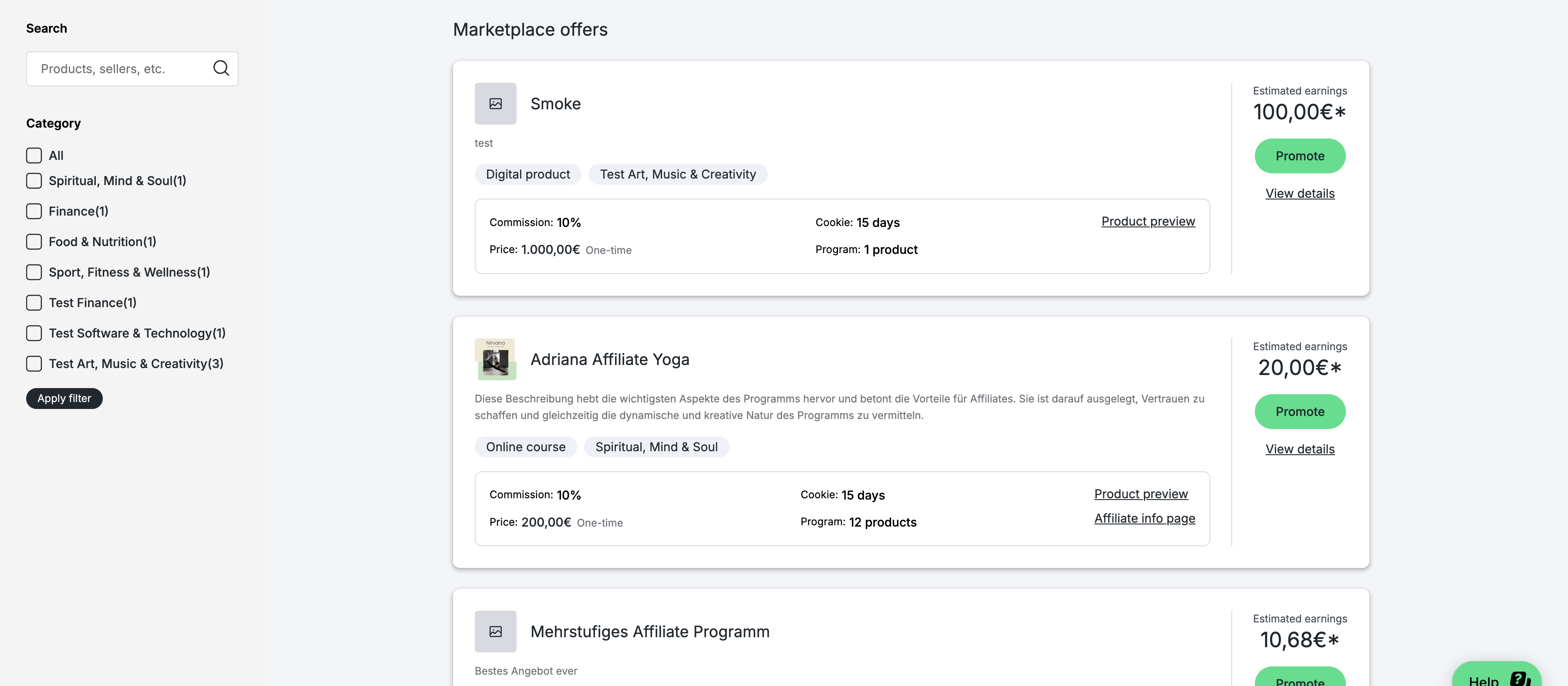
- Two sides with different questions — sellers ask “who will promote my product and what will it cost me”, affiliates ask “what can I earn and can I trust this offer”.
- Marketplace mechanics are platform mechanics — commission base, tracking windows and attribution rules affect money, so every choice needed to be explicit, not inherited.
- Launch is a flow, not a date — both sides needed onboarding into a two-sided product that starts empty.
Two sides, researched separately
The work started with parallel in-product surveys — one for sellers, one for affiliates — because the two sides had different unknowns. Sellers needed confidence about control: which products, what commission, who gets in. Affiliates needed discovery and proof of earnings.
Alongside the surveys: a teardown of five affiliate-network incumbents, personas for both sides, and a customer journey that treated seller and affiliate as two actors meeting in one funnel.
Metrics before pixels
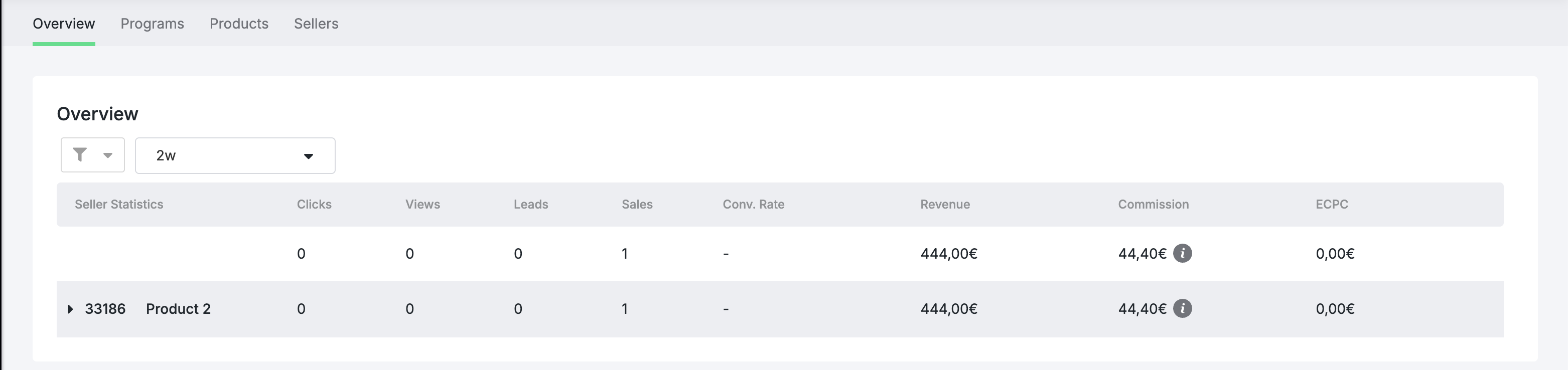
Before high-fidelity design, I defined what success would mean: a northstar — revenue flowing through marketplace-created links — decomposed into a KPI tree covering both funnels: sellers publishing programs, affiliates from visit to sign-in to promote to first sale.
That spec became the feature's real dashboard, and the discipline paid in both directions: adoption was measurable from launch day, and when the numbers later showed the marketplace staying a niche channel, the same instrumentation made that visible instead of arguable.
 View full size
The decisions that make a marketplace
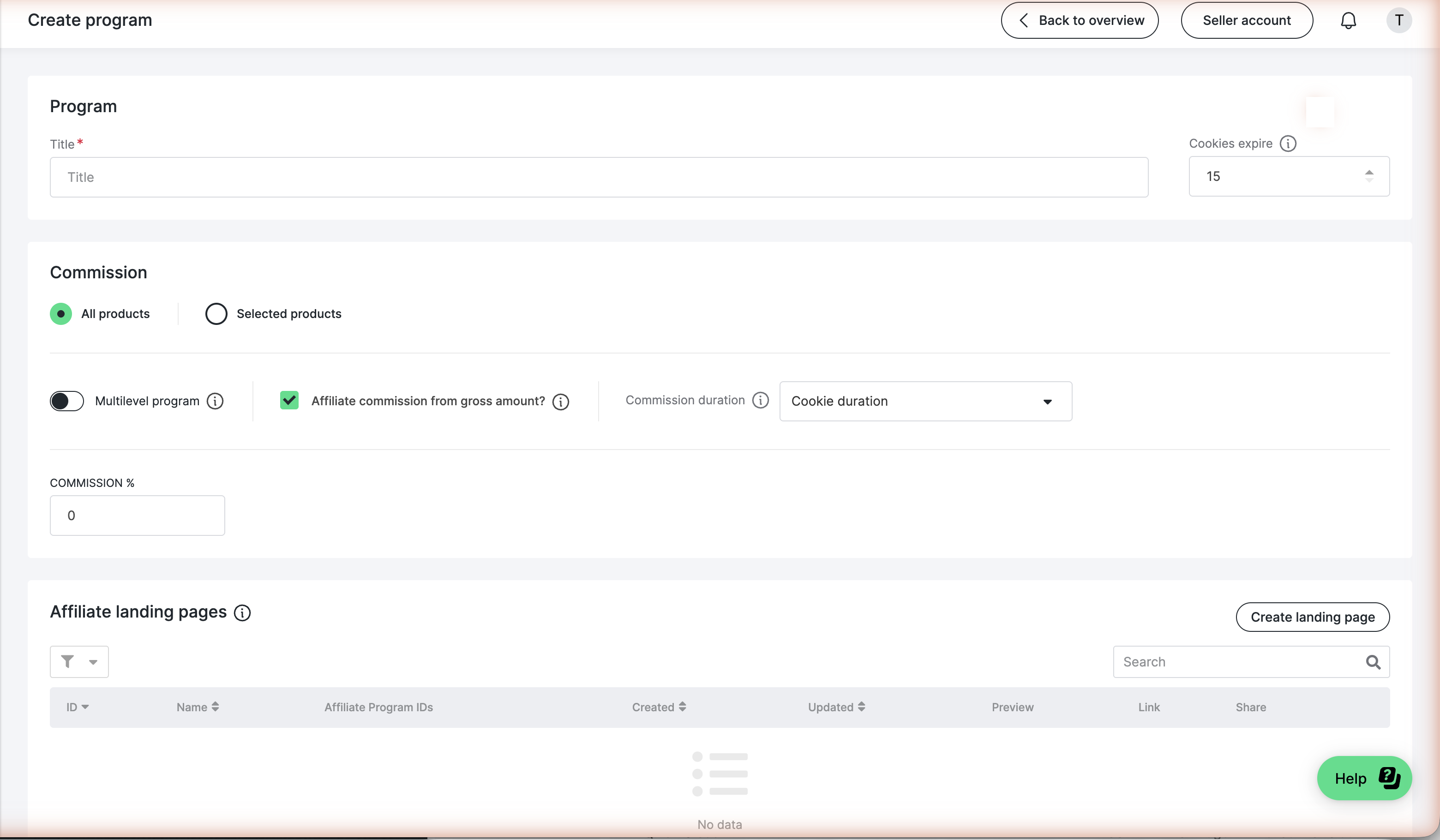
The decisions with the longest consequences were platform mechanics — commission base, tracking window, attribution, who a program actually covers — each argued in the open with use cases and edge cases before anything was built.
Some of it never became a control at all: a bonus on the customer's first order, to make subscription products worth an affiliate's while, and the edge cases sellers would really hit — the same product listed in two programs, a program changing its terms after affiliates had already joined.
 View full size
Every control is a decision
Read close, that one form is the decision record with a UI on top. Five controls, and the argument each of them settles:
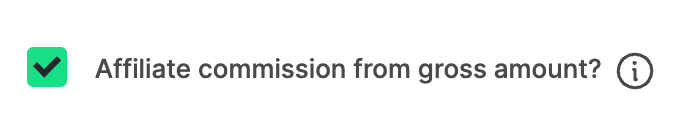
“Affiliate commission from gross amount?”
The commission base — gross or net. Aligned across the whole marketplace rather than left to each seller, so two offers sitting next to each other mean the same thing to the affiliate comparing them.
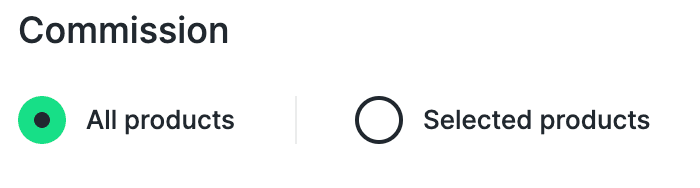
All products, or selected products
Whether a program pays on the seller's whole catalog or only on the products it lists. Sellers assumed the narrow reading — one of the edge cases research surfaced was sellers who had no idea their entire catalog was exposed — so the mapping between program and offer was made explicit, public and private both.
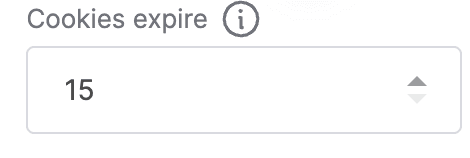
Cookies expire — a number, per program
The tracking window: how long after a click a sale still counts as the affiliate's. Set per program, and written down together with the attribution rule — first touch, last touch or shared — rather than inherited from whatever the tracking code happened to do.

Commission duration, kept separate from the cookie
How long an affiliate keeps earning on a customer they brought is a different question from how long the click is tracked. Once subscriptions are in the catalog, collapsing the two into one number quietly answers it wrong.
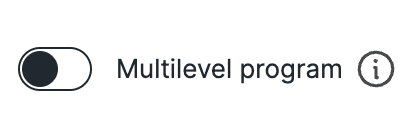
Multilevel program — the one we left out
Affiliates recruiting affiliates: analysed with full pros and cons, then consciously cut from the MVP as complexity without proven demand. The toggle in this 2026 capture is the later answer to a question the record had already argued through.
Close-ups from the live product (test environment) · each control traces to a written decision in the project's key-decisions record
Thirty testers before launch
Before launch I ran a usability testing program with 30 internal participants — 16 in the affiliate role, 14 as sellers — each completing a 30-minute session against written instructions on staging and production. It produced roughly 60 unique issues.
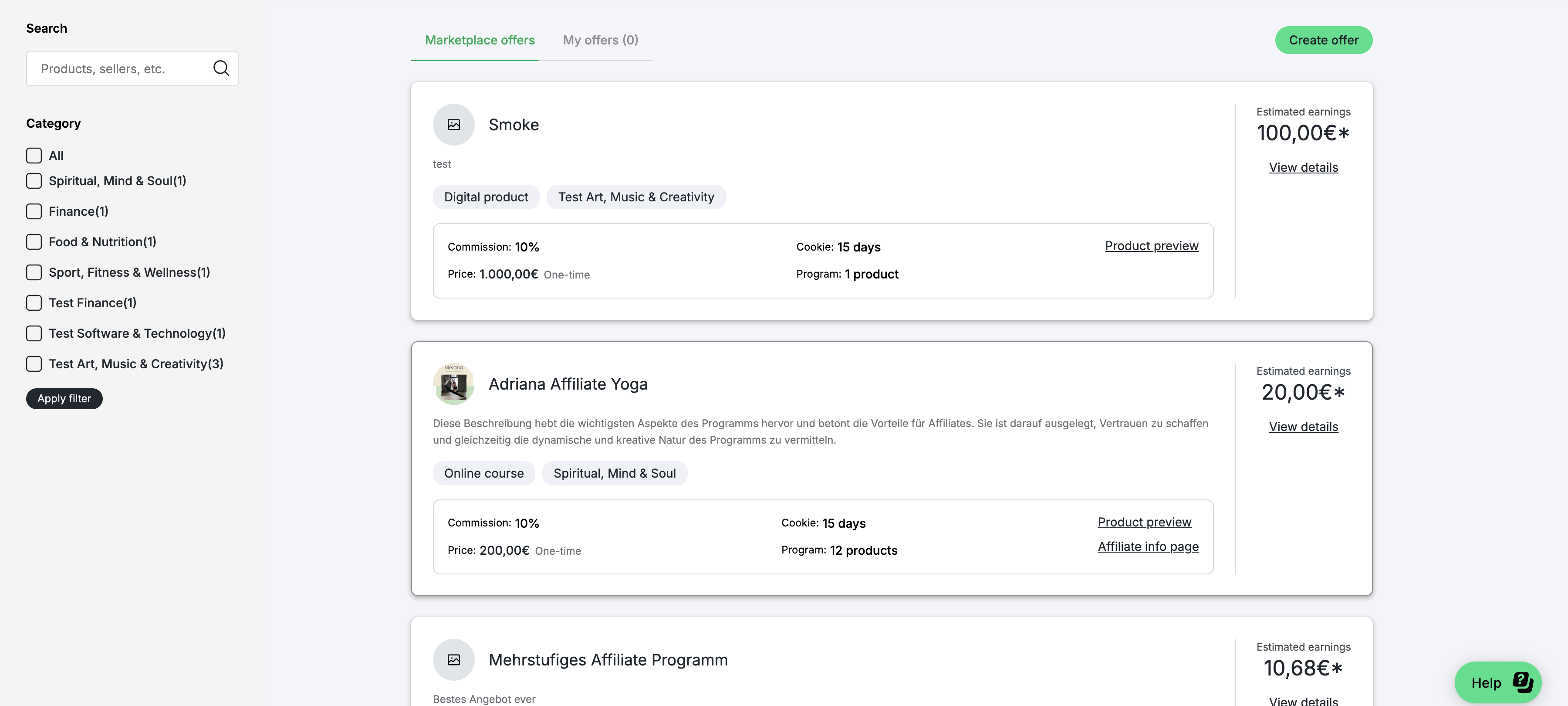
The findings split cleanly by role and drove the launch plan directly: core concepts needed explaining (offers versus programs, estimated earnings), the statistics page confused people, navigation between the account and the marketplace wasn't obvious, and existing sellers struggled to become affiliates at all. Fixes were triaged into must-fix sprints, help texts, and — for the conceptual gaps — education built into onboarding rather than more UI.
 View full size
Launch as a system
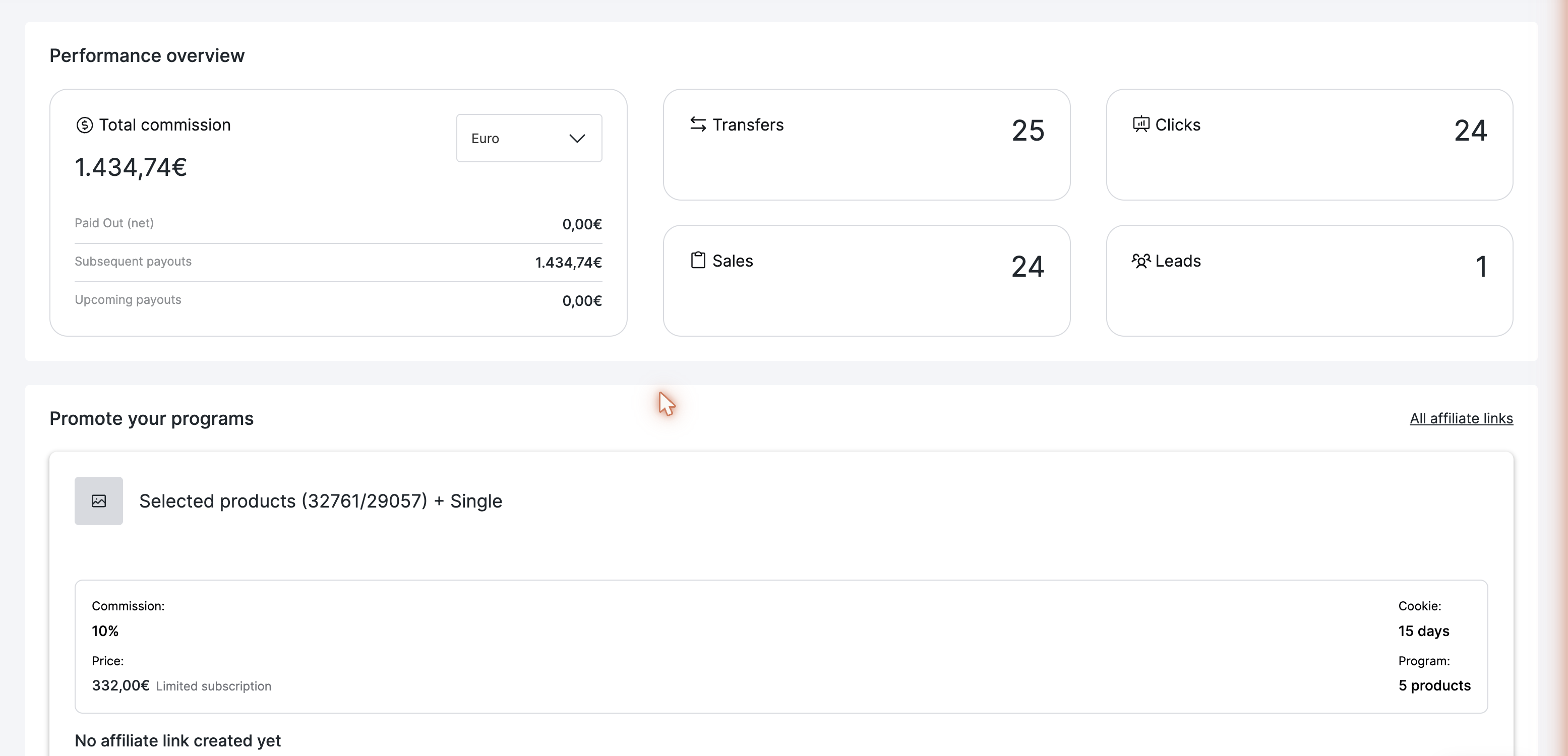
The launch itself was designed in the platform's in-product guidance layer, which I also ran: guided tours for both roles, onboarding flows for joining a program and creating the first link, beta-tester recruiting banners, and staged soft-launch waves before the public switch-on.
The marketplace shipped on time, runs to this day, and stayed a niche revenue channel. Because the KPI tree existed before launch, that outcome was visible early.
 View full size
 View full size